An increased number of females diagnosed with HIV are residing within the prison facilities of Uganda.
Written by admin on August 10, 2023
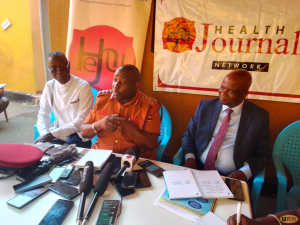
The Uganda Prison Service has highlighted concerns about the effectiveness of HIV/AIDS prevention efforts among inmates. According to the spokesperson, Frank Baine, many prisoners lack proper education and understanding of HIV/AIDS prevention messages. This lack of awareness has led to misconceptions, with some prisoners even believing that HIV symptoms are caused by witchcraft or dismissing prevention messages as myths.
Baine emphasized that there are prisoners who do not fear contracting HIV and may engage in risky behaviors. These concerns arise as there have been reports of higher cases of HIV/AIDS within prison facilities.
In response to these concerns, some Members of Parliament (MPs) have suggested mandatory HIV/AIDS testing for all prisoners. However, this idea raises issues of stigma and privacy.
A report from Parliament’s HIV/AIDS Committee revealed that 15% of the prison population is HIV positive, compared to 12% among the general population. The report also highlighted the need for better education and awareness about HIV/AIDS, as well as increased condom usage and understanding of preventive measures.
While there is a call for tailored HIV and TB prevention strategies for prisons, the Uganda Prisons Service has made efforts to address the issue. The Prisons Service’s PEPFAR program aims to provide HIV testing, care, and treatment services to prisoners.
Dr. Nelson Musoba, Director General of the Uganda Aids Commission, acknowledged the challenges of providing preventive measures like condoms in prisons due to existing laws. However, he emphasized the availability of other interventions such as HIV testing, counseling, circumcision, and awareness campaigns to manage the spread of the disease among inmates.
The survey data reveals that there is a higher prevalence of HIV within prisons compared to the national average. This highlights the urgent need for targeted efforts to improve HIV prevention and education within the prison system.
HIV diagnosis is mostly done when inmates enter detention centers, with 99% of cases identified at that point. The survey from 2013 also indicates a higher prevalence of HIV within densely populated areas of the country.
Efforts to achieve epidemic control in Uganda depend on the success of HIV prevention strategies, particularly within the prison system. A focused approach with proper education and access to preventive measures can play a crucial role in curbing the spread of HIV/AIDS in prisons and the broader community.